
Aesthetics Salary UK: How Much Do Practitioners Really Earn in 2026?

Money talks - and in aesthetics, it talks loudly. The UK aesthetics industry is one of the few sectors where a practitioner with the right training and business sense can build a genuinely impressive income without a medical degree, a business partner or years of corporate ladder-climbing. But what does that actually look like in practice?

Aesthetics salary UK figures vary enormously depending on specialisation, experience, location and whether you are employed or running your own business. This guide cuts through the headline numbers and gives you a realistic picture of what practitioners at every level are actually earning in 2026 - and what it takes to get there.
Average Aesthetics Salary UK: The Numbers
The range is wide, and that is important context before we dig into specifics. Entry-level aesthetic practitioners - those who have recently qualified and are building their first client base - typically earn between £20,000 and £28,000 in their first year. This usually applies to employed positions or newly self-employed practitioners still establishing themselves.

Mid-career practitioners with 3-5 years of experience and a broader treatment menu generally earn between £30,000 and £45,000. At this level, word-of-mouth referrals are contributing meaningfully, and most practitioners have added several additional qualifications since their first course.
Senior and specialist practitioners - particularly those offering injectables - regularly earn £50,000 to £80,000 or more. Self-employed clinic owners with an established client base at this level have no real upper income ceiling.
Regional variation is real but perhaps less dramatic than in other industries. London practitioners typically command a premium of 15-25% over equivalent regional practitioners. However, overheads are significantly higher in London, which narrows the net income gap considerably.
Aesthetics Salary UK by Specialisation
What you specialise in is the single biggest factor in your aesthetics salary UK - even more than years of experience or location.
Facial aesthetics practitioners offering a broad skin treatment menu - microneedling, peels, facials and skin boosters - typically earn £35,000-£60,000. The work is consistent, client-friendly and builds excellent retention rates.
Injectable specialists are the highest earners in the sector. Botox and dermal filler practitioners with strong reputations can earn £40,000-£80,000 and beyond. A skilled injector who books 6-8 filler appointments in a day is generating substantial revenue.
Laser technicians typically earn £25,000-£45,000. The equipment overhead is significant,
which affects the economics for self-employed practitioners.
Medical aesthetics nurses who combine their clinical background with aesthetic training often earn £35,000-£55,000, with dual-income potential pushing total earnings higher.
Clinic managers and senior practitioners taking on operational and supervisory responsibility can command £45,000-£70,000.
Treatment-by-Treatment Income Breakdown
Understanding what individual treatments generate is essential for planning your business income.
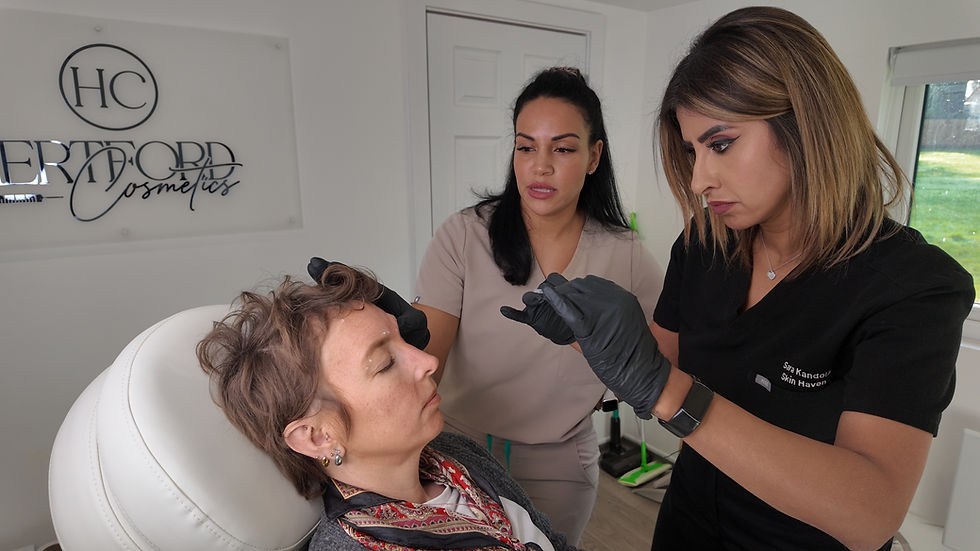
Botox treatments generate £150-£300 per appointment depending on the number of areas treated. A skilled practitioner can see 4-6 Botox clients in a working day with relative efficiency.
Dermal fillers are the highest-revenue individual treatment. A single syringe priced at £250-£400 and an average appointment using 1-2 syringes means each filler client generates £300-£800 in a single visit.
Microneedling at £150-£300 per session, with clients returning for an initial course of 3-6 treatments and then quarterly maintenance, builds excellent recurring income. Our CPD-accredited microneedling course is one of the most popular starting points for practitioners seeking this revenue stream.
Chemical peels priced at £80-£200 offer good throughput. Clients typically book courses of 3-6, giving strong repeat business.
Dermaplaning at £60-£120 per session is quick and high-throughput. Appointments of 30-45 minutes and a natural rebooking cycle of 4-6 weeks make it an efficient income contributor.
IV vitamin drips at £150-£350 per session carry premium positioning and attract wellness-focused clients willing to invest regularly.
Self-Employed Aesthetics Salary UK: The Reality
Self-employment is where aesthetics income gets genuinely exciting - but the early months require patience and realistic expectations.

In year one, most self-employed aesthetic practitioners earn between £15,000 and £30,000. That reflects the reality of building a client base from scratch. Marketing takes time to work. Word of mouth builds slowly. Quiet weeks in the first six months are entirely normal.
Years two and three typically see income jump to £30,000-£50,000 as the client base consolidates. Repeat bookings become the backbone of the diary. Treatment confidence grows, which supports premium pricing.
By year four or five, a well-run self-employed practice can generate £60,000-£100,000 in revenue. Running expenses typically include consumables (10-15% of revenue), insurance (£300-£800 per year), premises or room rental, marketing, and CPD training costs.
The most common mistake new self-employed practitioners make is underpricing to attract clients. Setting professional rates from day one positions you correctly in your market.
Factors That Affect Your Aesthetics Salary UK
Qualification level is the most powerful income lever available to any practitioner. Every additional CPD course you complete opens a new treatment category with its own revenue potential.
Location shapes pricing expectations. Urban practitioners in commuter-belt areas and affluent market towns often find they can charge London-adjacent prices without London overheads - a genuinely sweet spot.
Marketing and visibility matter more than many practitioners expect. The best-qualified aesthetician in a town will be out-booked by a less-qualified but more visible competitor if they do not invest in being found.
Client retention is the real wealth-builder in aesthetics. Practitioners who invest in the client experience - thorough consultations, personalised treatment plans, proactive follow-up - build diaries that fill themselves through rebooking and referral.
How Training Impacts Your Aesthetics Salary
The relationship between training investment and income is more direct in aesthetics than in almost any other industry. Adding a single qualification can unlock an entirely new treatment category and add thousands to your annual income.
Consider a practitioner earning £28,000 from skin treatments who completes a CPD-accredited foundation fillers course. Adding dermal fillers to their menu - priced at £300-£400 per appointment - and seeing just 2 filler clients per week adds over £30,000 in gross annual revenue. The course investment is typically recovered within weeks of qualifying.
The same logic applies at every level. Our Advanced Injector course and Advanced Pathway to Aesthetics are structured specifically to support this kind of progressive income growth - adding qualifications in a logical sequence that maximises commercial return at each stage.

CPD training also supports insurance renewal and professional body membership, both of which are commercially important. Practitioners who maintain active CPD portfolios tend to be taken more seriously by clients, which supports premium pricing.
Increasing Your Aesthetics Income: Practical Strategies
Adding high-value treatments to your menu is the most direct route to higher income. If you currently offer only skin treatments, adding vitamin injections, skin booster injections or dermaplaning creates new revenue streams without replacing existing ones.
Retail product sales are an underused income source for many practitioners. Recommending and selling homecare products can add 10-30% to your treatment income with minimal effort.
Treatment packages and memberships provide predictable recurring income and improve client retention simultaneously. A three-treatment microneedling package or a monthly facial membership locks in future revenue.
Social media is not optional for building aesthetics income in 2026. Practitioners who show up consistently online book more appointments than those who do not - it really is that straightforward.

Key Takeaway
The aesthetics salary UK landscape is one of the most compelling income opportunities in the beauty and wellness sector. Entry-level practitioners earn a solid starting income. Mid-career specialists build strong professional salaries. And those who invest consistently in their training, their marketing and their client relationships build businesses with genuine financial freedom.
Your training is the foundation everything else is built on. Explore the full course range at Hertford Cosmetics Academy - from our foundation skin treatments through to our advanced injectable pathway - and take the next step in your aesthetics career.
Frequently Asked Questions
What is the starting salary for aesthetics practitioners in the UK?
Entry-level aesthetic practitioners typically earn £20,000-£28,000 in their first year. Self-employed practitioners may earn less initially as they build their client base, but their income ceiling is considerably higher long-term.
How much can experienced injectors realistically earn?
Experienced injectors with a strong reputation and established client base regularly earn £60,000-£80,000 or more per year. Specialist injectors running their own clinic have no defined upper ceiling.
Is aesthetics a well-paid career compared to other beauty roles?
Yes. Aesthetics practitioners earn significantly more on average than traditional beauty therapists. The specialised training, clinical element and premium treatment pricing all contribute to higher earning potential.
Do aesthetics practitioners earn more self-employed or employed?
Long-term, self-employed practitioners with established businesses typically earn more. However, the first 1-2 years of self-employment involve building a client base and income is often lower initially.
How long does it take to reach a six-figure aesthetics income?
Most practitioners who reach a six-figure income do so within 5-8 years. It requires advanced qualifications, strong marketing, business acumen and excellent client retention.


_edited_edited.png)

Comments