
Microneedling Course UK: Your Complete CPD Training Guide 2025

The UK aesthetics industry is growing at a remarkable pace. Microneedling - also known as collagen induction therapy - has become one of the most requested skin treatments on the market, with practitioners across the country reporting strong demand and excellent client retention. If you have been thinking about a microneedling course UK, you are in good company.
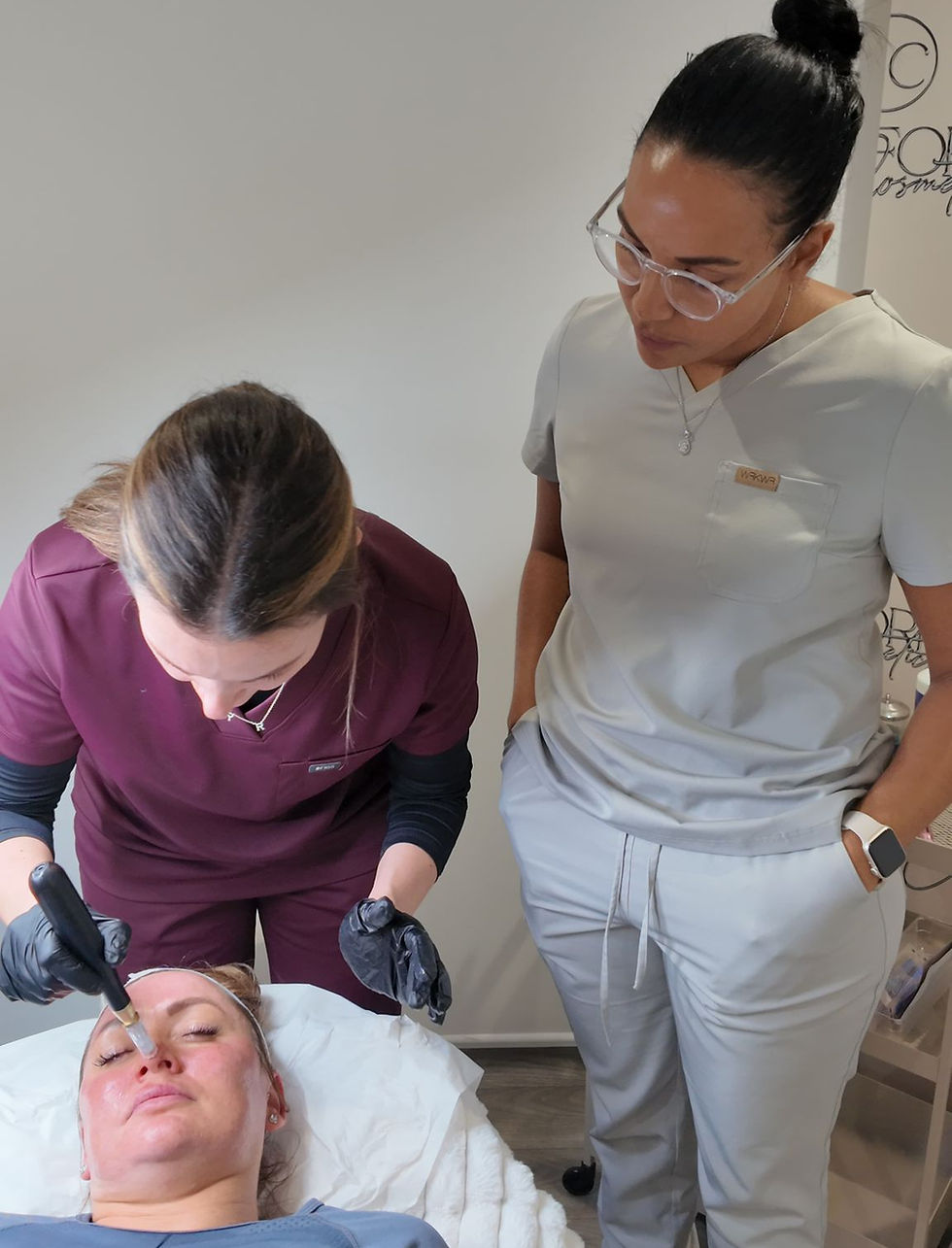
But with so many training providers competing for your attention, how do you know which course is worth the investment? CPD accreditation, hands-on practice time, trainer credentials - these are the details that separate courses that launch careers from those that leave you unable to get insured. This guide covers everything you need to know.
What Is Microneedling and Why Take a Course?
Microneedling is a minimally invasive skin treatment that uses fine, sterile needles to create controlled micro-injuries in the skin. These tiny punctures trigger the body's natural healing response, stimulating the production of collagen and elastin. The result is firmer, smoother, more radiant skin - and it works across a wide range of concerns.
Clients book microneedling for acne scarring, fine lines, enlarged pores, uneven skin texture, stretch marks and general skin rejuvenation. It is one of the few treatments with genuinely strong clinical evidence behind it. That combination of proven results and wide applicability is exactly why it books out so reliably.
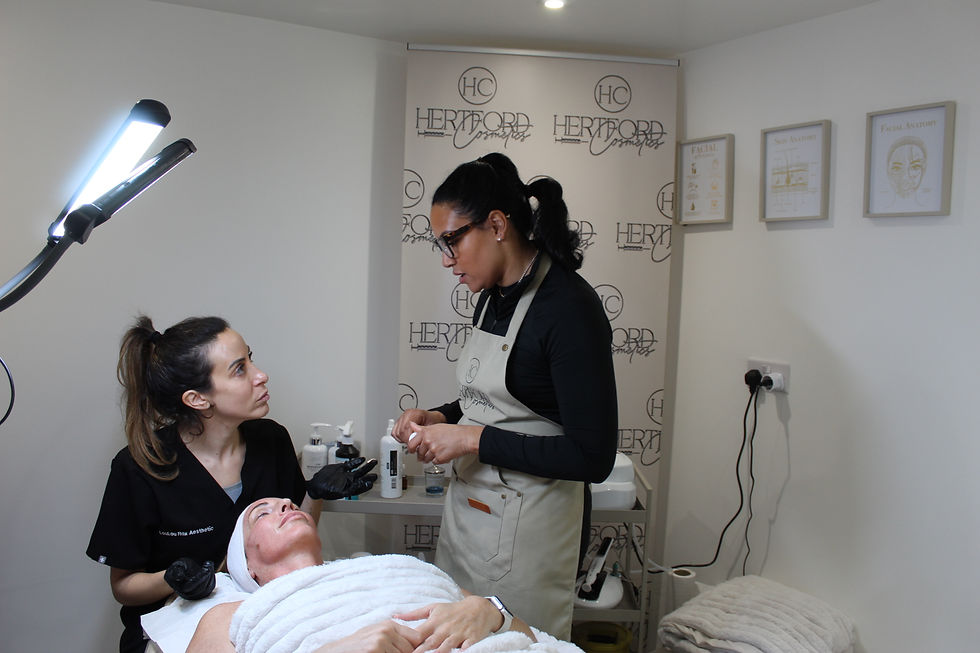
From a business perspective, microneedling sits in a sweet spot. Treatment sessions are priced at £150-£300 each, clients return every 4-6 weeks for a course of treatments, and the equipment investment is reasonable compared to laser or RF devices. Add the fact that the UK non-surgical aesthetics market was valued at over £3.6 billion in 2024, and the opportunity becomes very clear.
Whether you are a qualified beauty therapist looking to add a high-value treatment to your menu, or a career changer attracted by the earning potential of aesthetics, microneedling training offers a compelling entry point.
Microneedling Course UK: Legal Requirements and Regulations
Before you book any training, it is important to understand where microneedling sits legally in the UK. Unlike botulinum toxin and prescription dermal fillers, microneedling is not currently a prescription-only procedure. This means it is not restricted to medical professionals - qualified, trained beauty therapists and aestheticians can offer it legally.
That said, the absence of a single governing body does not mean anything goes. There are several layers of compliance that every practitioner must navigate.
Insurance is non-negotiable. To treat clients commercially, you need both professional indemnity insurance and public liability insurance. Most UK insurers will only cover microneedling if you hold a CPD-accredited qualification from a recognised training provider. A certificate from a non-accredited course often renders you uninsurable.
Local authority registration may also be required depending on your area. Some councils require practitioners offering skin-penetrating treatments to register their premises, regardless of whether they operate from a salon, clinic, or home studio. Always check with your local authority before treating clients.
Sharps handling carries specific legal obligations. Microneedling cartridges are classified as sharps and must be disposed of in an approved yellow sharps bin, collected by a licensed clinical waste contractor. Your training should cover this in full.
What Does a Microneedling Course Cover?

A quality microneedling course UK covers far more than just the needling technique itself.
The theory underpinning the treatment is essential - without it, practitioners cannot make sound clinical decisions or manage complications safely.
Expect your training to include skin anatomy and physiology, with particular focus on the dermis, epidermis and the wound-healing cascade that microneedling triggers. Understanding how the skin responds to controlled injury is what allows you to set needle depths correctly and adjust protocols for different skin types and concerns.
The course should also cover contraindications in depth. Active acne, rosacea, eczema, psoriasis, recent laser treatments, blood-thinning medication and certain skin conditions all require careful consideration before treatment.
Practical training covers:
needle depth settings,
device calibration,
treatment protocols for different concerns,
product selection for infusion during treatment,
and aftercare.
The hands-on element is where real learning happens - you simply cannot develop the feel and judgment needed through theory alone.
Types of Microneedling Courses Available in the UK
Beginner microneedling courses are designed for practitioners with no prior microneedling experience. They cover the full treatment protocol from consultation to aftercare, with a focus on building confidence and competence before independent practice.
Advanced microneedling training expands on the fundamentals - including mesotherapy infusions alongside needling, combination protocols with chemical peels, and combination with PRP (platelet-rich plasma). Our PRP Advanced Practitioner course is a natural next step for microneedling practitioners looking to offer this premium combination protocol.
One-day intensive courses combine theory and practical in a single session. Split-format courses offer online theory followed by an in-person practical day. Both can be equally valid - the quality of the practical element and trainer expertise matter far more than format alone.
Group training versus one-to-one is another consideration. Smaller ratios mean more hands-on time with the trainer and more personalised feedback.
Microneedling Course Costs UK: What to Budget
Microneedling training in the UK typically costs between £300 and £800 for a foundation course. The variation in price reflects differences in trainer experience, location, group size, what is included in the course, and the quality of the practical element.
A low price is not necessarily a bargain. Courses at the very bottom of the market often cut corners on practical time, use mannequins instead of live models, or cannot demonstrate genuine CPD accreditation.
Beyond the course itself, factor in equipment - a professional microneedling device costs £200-£600, plus ongoing cartridge and serum costs. Insurance runs to £150-£400 per year. You will also need sharps bins and clinical waste collection.
The return on investment is strong. Charging £150-£300 per session and building a modest loyal client base, most practitioners break even on their full initial investment within the first two to three months of trading.
Choosing the Best Microneedling Course UK
Start with accreditation. A CPD-accredited microneedling course UK means the course content, delivery and assessment have been independently reviewed and approved. Visit the awarding body's website and verify that the specific course is listed.
Trainer qualifications matter enormously. Look for trainers with a background in aesthetics, nursing or beauty therapy, combined with extensive practical experience delivering microneedling treatments to real clients.
Ask specifically about the practical element. How many live models will you practise on? What happens if a model does not show up? Are mannequins used at any point?
Post-course support is often overlooked but genuinely valuable. What happens when you have a question about your first client? The best training providers do not disappear the moment your certificate is printed.
Red flags to watch for include courses with no in-person practical, no verifiable accreditation, no trainer biography, and no insurance guidance.
Microneedling Career Prospects and Earning Potential
Microneedling practitioners in the UK can earn a meaningful income relatively quickly after qualifying. The treatment sits at a price point that clients view as accessible - typically £150-£250 per session for standalone microneedling - while still delivering strong margins for the practitioner.
Repeat business is the real engine of microneedling income. Most clients complete an initial course of 3-6 treatments spaced 4-6 weeks apart, then return for quarterly maintenance. A modest base of 20 regular clients at 3 appointments per year equates to 60 appointments annually - at £200 per session, that is £12,000 from microneedling alone.
Adding complementary treatments amplifies the income further. Microneedling combines particularly well with chemical peels, skin booster injections and IV vitamin therapy - treatments that address different aspects of skin health and encourage clients to invest in a broader programme.
Hertford Cosmetics Academy Microneedling Course
At Hertford Cosmetics Academy, our CPD-accredited microneedling course is designed to take you from no prior experience to treatment-ready in a single, intensive day of training at our Widford, Ware, Hertfordshire training location.
The course covers skin anatomy and physiology, full contraindication assessment, device calibration and needle depth selection, step-by-step treatment protocols for a range of skin concerns, product selection for treatment infusion, and comprehensive aftercare guidance.
You will practise on live models under direct trainer supervision, giving you genuine hands-on experience before you treat your first paying client. Our trainer has 16+ years of industry experience and brings that depth of practical knowledge to every session.
On completion, you receive a CPD-accredited certificate recognised by major UK aesthetics insurers. Practitioners looking to continue their development may also be interested in our Skin Care Specialist course and Advanced Pathway to Aesthetics for a structured route into injectable practice.
Key Takeaway
A microneedling course UK is one of the most commercially sensible investments available in aesthetics today. Strong client demand, excellent repeat booking rates, manageable equipment costs and healthy treatment margins make it a treatment that builds income quickly and sustains it reliably.
The key is choosing training that delivers genuine CPD accreditation, experienced instruction and real hands-on practice. Explore our CPD-accredited microneedling course and book your place today.

Frequently Asked Questions
Do I need a medical background for microneedling training?
No. Microneedling is not a prescription-only procedure in the UK, which means it is not restricted to medical professionals. Beauty therapists, aestheticians and career changers without a clinical background can all train and practise legally, provided they hold a CPD-accredited qualification and appropriate insurance.
How long does a microneedling course take in the UK?
Most foundation microneedling courses are delivered as a one-day intensive, covering theory and practical training within a single session. Some providers split the course across an online theory day followed by an in-person practical.
Is online microneedling training good enough to get insured?
In most cases, no. The majority of UK insurers require evidence of hands-on practical training. A purely online microneedling course without an in-person practical element will typically not satisfy insurance requirements.
What insurance do I need after qualifying?
You need professional indemnity insurance and public liability insurance. Both are essential from the moment you treat your first paying client.
Can I perform microneedling from home legally?
Yes, subject to conditions. Some local authorities require home-based practitioners to register their premises. Check with your local council before treating clients at home.
What is the difference between dermal rolling and professional microneedling?
Professional microneedling devices use sterile, single-use cartridges, reach greater depths, maintain consistent needle speed and penetration, and produce measurably superior clinical results. Professional microneedling is not the same as dermal rolling.


_edited_edited.png)

Comments