
Chemical Peel Training: Your Complete UK Course and Certification Guide 2026

Chemical peels have been a cornerstone of professional skin treatment for decades - and they remain one of the most clinically effective and reliably booked treatments in UK aesthetics. The reason is straightforward: they work. From a brightening lactic peel to a transformative TCA treatment, the results are visible, the science is robust and clients come back for courses of treatment rather than single sessions.

If you are considering chemical peel training, you are looking at a qualification with excellent commercial return. But with multiple acid types, varying depths and genuine technical complexity involved, the quality of your training matters enormously. This guide covers everything - from peel types and legal requirements to CPD accreditation, costs and building your practice.
What Is Chemical Peel Training and Why It Matters
Chemical peel training equips practitioners with the knowledge and practical skills to safely apply chemical exfoliants to the skin, selecting the correct peel type and strength for each client's skin concern, skin type and treatment history.
Applied incorrectly, chemical peels cause chemical burns, post-inflammatory hyperpigmentation, scarring and prolonged recovery. Applied to contraindicated skin, they can cause serious harm. The difference between a well-trained peel practitioner and an undertrained one is not just results - it is client safety.
UK client demand for professional peels continues to grow. The growing interest in skin health - driven by social media, the skincare industry and a cultural shift towards long-term skin investment - means a qualified chemical peel practitioner has a ready and growing market.

Chemical Peel Training UK: Legal Requirements
Chemical peels currently sit outside the prescription-only category in the UK for the acid strengths typically used in professional aesthetics settings. Non-medical practitioners can legally offer professional chemical peels - provided they are appropriately trained and insured.
Insurance is the non-negotiable first requirement. Professional indemnity and public liability insurance for chemical peel treatments require CPD-accredited training as a baseline. Some insurers specify maximum acid concentrations they will cover for non-medical practitioners.
Health and safety obligations apply to chemical peel practice. COSHH regulations apply to the acids used in professional peels. You must complete risk assessments, store chemicals safely, understand neutralisation procedures and manage chemical spills correctly.
Types of Chemical Peels Covered in Training
Chemical peels are categorised by depth - superficial, medium and deep - and by the active ingredient used. Foundation training courses typically focus on superficial peels; advanced training extends to medium-depth treatment.
Superficial peels include glycolic acid (an alpha-hydroxy acid derived from sugar cane), lactic acid (a gentler AHA particularly well-suited to sensitive and darker skin tones), mandelic acid (excellent for acne-prone skin) and enzyme peels (the most gentle option, derived from papaya or pineapple).
Medium-depth peels using TCA penetrate into the upper dermis, producing more significant collagen remodelling and more pronounced results - alongside a longer recovery period and greater risk if misapplied. TCA training requires solid foundational peel knowledge first.
At Hertford Cosmetics Academy, training incorporates the Clinicare peel range - including the Pure Peel, Glow Peel and Refresh formulations - giving practitioners experience with professional-grade products they can continue using in practice.
What Does Chemical Peel Training Include?
Quality chemical peel training covers both the science and the skill.
Skin anatomy and the science of chemical exfoliation - understanding how different acids interact with skin at a cellular level, what the keratolytic process involves, and how the skin heals following chemical exfoliation.
Client consultation and skin analysis - assessing skin type, Fitzpatrick classification, current skincare use, medical history and treatment history to select the most appropriate peel and concentration.
Peel application technique - including skin preparation, application, timing and endpoint recognition, neutralisation procedures where required, and post-treatment care.
Complication recognition - understanding what an over-peel looks like, how to manage an adverse reaction, and when to refer a client to a medical professional.
Chemical Peel Course Options in the UK
Entry-level chemical peel courses focus on superficial acid peels - typically glycolic, lactic and enzyme formulations. These are the right starting point for practitioners without prior peel experience.
For practitioners who want a broader foundation, our Skin Care Specialist course covers peels alongside microneedling and other skin treatments within a single comprehensive qualification - ideal if you are building a skin treatment menu from scratch.
Dermaplaning is another popular treatment to combine with peels. Our Dermaplaning CPD course pairs naturally with peel training, as many clients book both treatments in a sequence for optimal skin results.
Chemical Peel Training Costs and ROI
Foundation chemical peel training in the UK costs between £300 and £700 depending on the provider, course content, trainer expertise and what is included.
Product costs in practice are moderate. Professional peel solutions typically cost £5-£25 per treatment depending on the formulation and supplier.
Treatment pricing in the UK ranges from £80-£200 for superficial peels and £150-£250 for medium-depth treatments. Courses of 3-6 peels are the standard recommendation, meaning each client represents several hundred pounds in treatment revenue.
A practitioner completing 3 peel treatments per week at an average of £120 per treatment generates £18,720 per year in peel income alone.
Building a Chemical Peel Business
Peel treatments sell exceptionally well when positioned as courses rather than individual sessions. The results of chemical peels are cumulative - each treatment builds on the previous one. Educating clients about this from the initial consultation encourages them to commit to a course upfront.
Autumn and winter are traditionally strong seasons for chemical peel bookings. Clients are more comfortable with the post-peel sun avoidance requirement, and there is a cultural appetite for skin renewal ahead of the festive season.
Before-and-after documentation is the most powerful marketing tool for peel practitioners. Always obtain written photo consent before capturing treatment imagery.
Combining chemical peels with microneedling and retail homecare products dramatically improves results and adds income. Clients using appropriate active ingredients between professional peel sessions see better outcomes, which creates positive feedback loops for treatment rebooking and referrals.
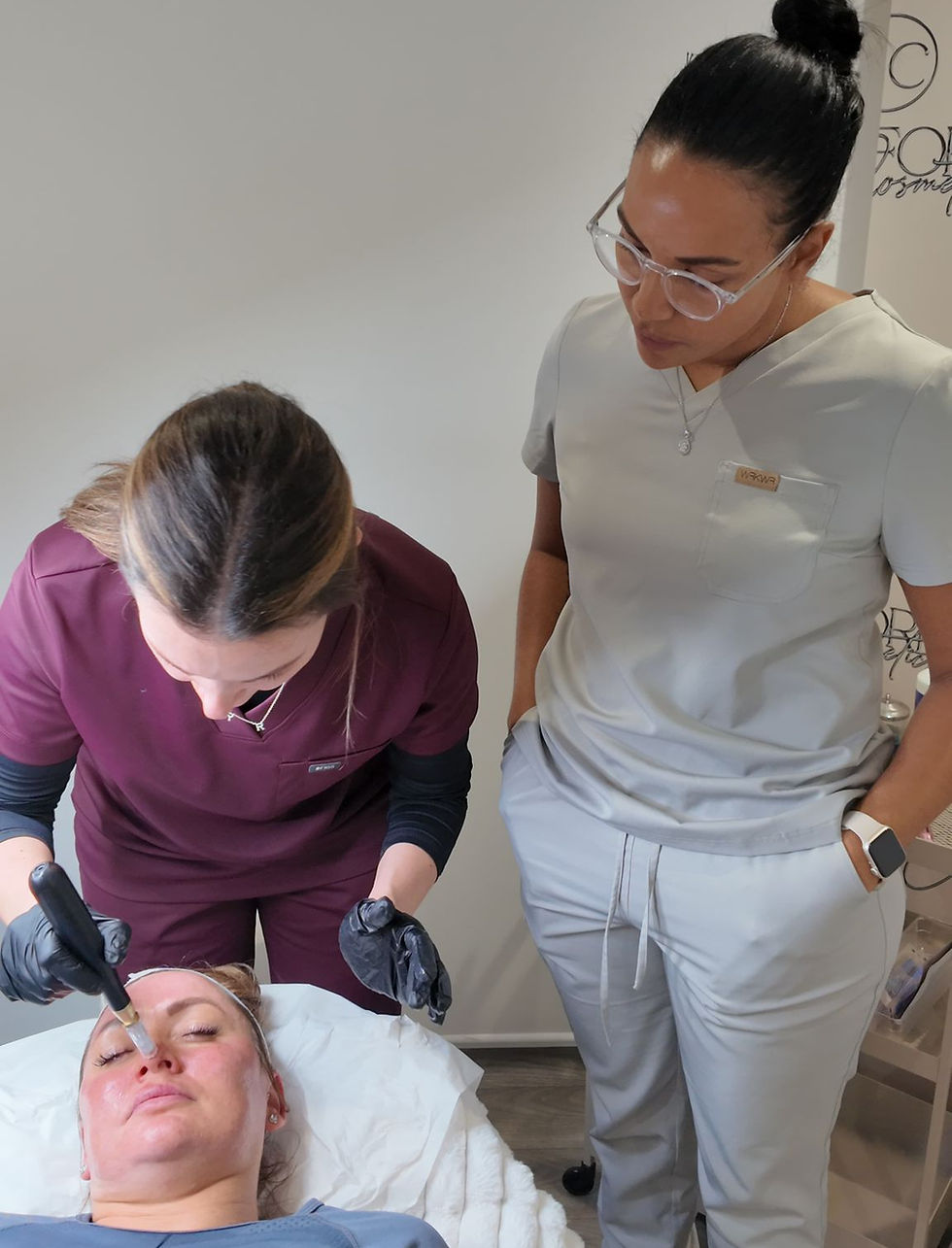
Hertford Cosmetics Academy Chemical Peel Course
Our CPD-accredited chemical peel course at Hertford Cosmetics Academy covers superficial and combination peel protocols using the professional Clinicare range - including the Pure Peel, Glow Peel and Refresh formulations.

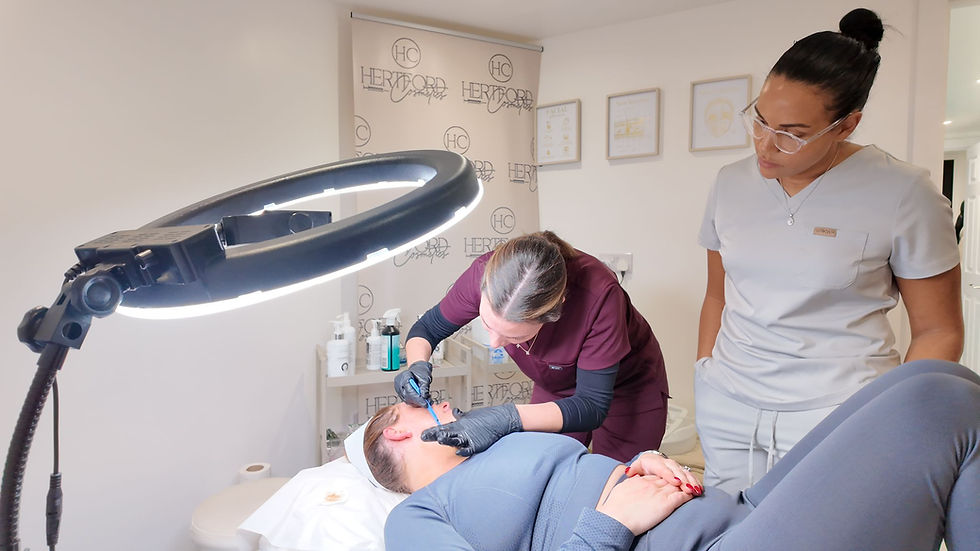
Training is delivered at our Widford, Ware, Hertfordshire location and includes skin anatomy and physiology, Fitzpatrick skin typing, comprehensive contraindication assessment, consultation skills, application technique, neutralisation, complication management and aftercare. You practise on live models under direct trainer supervision.
Practitioners who complete our peel course often continue with microneedling training as a natural next step - both treatments address skin rejuvenation from different mechanisms and complement each other extremely well in practice.
Key Takeaway
Chemical peel training is an investment in one of the most evidence-based, commercially reliable treatments in skin aesthetics. The results are visible. Clients return for courses. The income is predictable and grows with your reputation.
With the Clinicare peel range and comprehensive CPD training, Hertford Cosmetics Academy equips you to deliver professional peel treatments from day one. Explore the chemical peel course and book your place today.

Frequently Asked Questions
Do I need medical qualifications for chemical peel training?
No. Professional chemical peels at the concentrations used in aesthetics are not restricted to medical professionals. Beauty therapists and aestheticians can train and practise legally with CPD-accredited qualifications and appropriate insurance.
What is the difference between a superficial and medium-depth peel course?
Superficial peel courses cover lower-concentration acids that exfoliate at the skin's surface. Medium-depth training introduces TCA and higher-concentration formulations that penetrate into the upper dermis, requiring foundational peel experience first.
Can I train in chemical peels without existing beauty qualifications?
Yes for most foundation courses. A solid understanding of skin anatomy and physiology will significantly support your ability to apply the clinical knowledge taught.
What strength acids are covered in foundation peel training?
Foundation peel courses typically cover glycolic acid at 20-50%, lactic acid at 10-40%, mandelic acid and enzyme formulations.
How long does a peel training course take?
A foundation chemical peel course is typically one day. Advanced peel training may span two days.


_edited_edited.png)

Comments